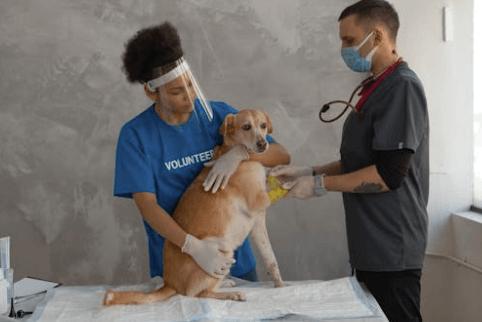
Pet ownership comes with a lot of joy and a handful of financial surprises. Vet bills rank among the most unexpected – and most expensive – of those surprises. A dog that swallows something it shouldn’t, a cat that develops a chronic condition, or a pet that’s simply hit by a car: any of these can result in bills ranging from hundreds to several thousand dollars in a matter of hours.
Having a plan for these moments isn’t pessimistic. It’s caring. And the smartest form that plan takes is a dedicated emergency fund built specifically for your pet.
Building an Emergency Fund
The concept is identical to a personal emergency fund: money set aside, untouched, for situations you can’t predict. The difference is the purpose – this fund is solely for vet bills and pet-related emergencies, so it doesn’t compete with your other financial priorities when the time comes to use it.
How much should you put away? A realistic starting target for most pet owners is $1,000 to $2,000. This covers the majority of single-incident treatments without depleting the fund entirely. For multiple pets, or for breeds known to have health complications, building toward $3,000 or more provides meaningful security.
Choosing the Right Bank Account
You have to choose from, but some are better for this than others. A high-interest savings account is a great choice. This is because your money earns interest while it is in the account. You can also get your money when you need it. And it is separate from the money you use every day, so you will not spend it by mistake.
Transaction accounts or offset accounts are not as good for this. They are usually connected closely to the money you spend every day.
When setting up your pet emergency fund, open a dedicated account with a label or nickname that makes its purpose clear. This might seem trivial, but naming an account “Molly’s vet fund” or “Pet emergency” makes it feel distinct and purposeful. You’re much less likely to raid a fund with a name than a generic savings balance.
See also: The Importance of Blockchain Verification
Tips to Grow the Balance
Contribute to it the same way you would any savings goal – automatically and consistently. Even $20 to $30 a week adds up to over $1,000 in a year. Set up an automatic transfer on payday and let it grow without thinking about it.
Pet insurance is something you should think about when you have a pet. It is an idea to have both pet insurance and a savings fund. The pet insurance can help pay for operations and treatments for sicknesses that your pet has for a long time. These things can cost a lot of money, more than you might have in your savings fund.
Pet insurance does not pay for everything. There are times when you have to wait before the insurance starts to pay. You also have to pay some of the money yourself when you use the insurance. So, it is still an idea to have some money in your savings fund that you can use when you need it. Pet insurance and a savings fund can work together.
Summary
The worst financial outcomes in pet care happen when owners have to choose between treatment and money. That’s not a choice anyone should have to make. Building the fund now, before anything happens, means you’ll always be in a position to say yes to the care your pet needs.