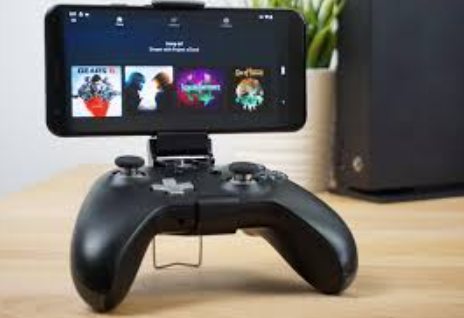
Cloud gaming delegates all processing to remote servers, while video and audio stream to the user in real time. The setup concentrates computation, uses codecs to fit bandwidth, and relies on a fast, stable network to reduce latency. Real-world results vary with infrastructure, network conditions, and bandwidth. Trade-offs emerge between accessibility and fidelity. Choices hinge on compatibility, conditions, and budget, shaping how smooth and scalable the experience can be across devices. What implications will these constraints have for future setups?
What Is Cloud Gaming and How It Works
Cloud gaming is a streaming model where game processing occurs on remote servers rather than the local device, with the resulting video and audio transmitted to the user in real time.
It relies on cloud architecture to centralize computation, codecs to compress output, and low latency networks to minimize delay; user bandwidth shapes image quality, responsiveness, and overall experience for freedom-seeking players.
Pros, Cons, and Real-World Performance
Pros and cons of cloud gaming hinge on trade-offs between accessibility, cost, and performance. Real-world performance varies with infrastructure quality, network stability, and game complexity. Cloud latency often defines responsiveness, while server bandwidth limits peak quality and consistency. Trade-offs favor wider access but may constrain competitive play or high-fidelity experiences, depending on provider optimizations and regional latency.
How to Pick a Cloud Gaming Setup for Your Devices
Selecting a cloud gaming setup tailored to an individual’s devices requires balancing compatibility, network conditions, and budget. Practitioners assess device compatibility and streaming resolution needs, then match services to available bandwidth and network requirements. Consider cloud latency implications for input responsiveness, and prioritize scalable options aligned with freedom to switch platforms while preserving performance across smartphones, PCs, tablets, and consoles.
Tips to Improve Latency, Quality, and Your Experience
Latency, image quality, and overall experience in cloud gaming hinge on a few measurable factors: network conditions, encoding settings, and device capabilities.
The discussion contrasts latency versus stability, highlighting how responsiveness competes with consistency.
Adaptive bitrate vs framing choices influence perceived smoothness; users should balance network variance with codec parameters, ensuring steady frames while preserving visual clarity for a freedom-focused, reliable session.
Frequently Asked Questions
Is Cloud Gaming Legal in My Country?
The legal status in my country varies; there is no universal answer. Licensing and regional restrictions shape availability, so consult local regulations and provider terms to determine legality, noting potential licensing constraints, IP rights, and cross-border usage considerations.
Can I Use Cloud Gaming on 4K TVS?
A recent study shows 4K streaming can reduce perceived latency by up to 15%. Yes, cloud gaming can be used on 4K TVs, but latency testing and a fast internet connection are essential for a smooth experience.
Do All Games Support Cloud Cross-Save Features?
Not all games support cloud cross-save features. Availability varies by title and platform. A given game library may include cross-save compatibility, but users should verify per game, as cross save is not universally enabled.
How Secure Is My Payment and Account Data?
Payment and account data are protected through security encryption and payment tokenization, addressing common concerns. Some users doubt protection, yet rigorous standards and continuous monitoring reduce risk, delivering a concise, accessible, analytical overview for freedom-seeking audiences.
See also: Cloud Data Center Trends
Will Cloud Gaming Hurt My Internet Data Plan?
Cloud gaming may increase data usage, but effects vary by service and plan. It typically involves streaming bandwidth requirements and data usage implications that could impact caps or throttling; users should monitor monthly totals and optimize settings for freedom.
Conclusion
Cloud gaming aggregates processing in remote servers, streaming video and audio to devices in real time. While it offers broad device compatibility and scalable access, performance depends on network stability, latency, and infrastructure. Pros include convenience and flexibility; cons involve potential input lag and variable image quality. For best results, optimize bandwidth, choose the right service, and tailor settings to your network. In short, “you can’t rush perfection”—but you can improve it with thoughtful, data-driven adjustments to your setup.